Idaho Whitetail Hunting Overview
Idaho Whitetail Guides offer guided archery & rifle hunts across the Panhandle, Nez Perce, and Clearwater forests. Their focus is on local timber pockets, seasonal patterns, and expert tracking to maximize success in rugged wilderness. Their guides blend local knowledge with tracking, hunting with!
Key Statistics and Population Trends
Idaho Whitetail Guides provide a comprehensive snapshot of the state’s deer dynamics, drawing on long‑standing local knowledge and recent population surveys. According to the Idaho Fish & Game data, the statewide white‑tailed deer count has risen steadily over the past decade, with a 12% increase from 2015 to 2025. This growth is most pronounced in the northern panhandle, where the Nez Perce and Clearwater National Forests host the highest densities of mature bucks. Guides emphasize that the success of a hunt hinges on understanding these demographic shifts, as well‑timed archery and rifle seasons align with peak fawn recruitment periods in late spring and early summer. They also note that the average annual harvest rate in Idaho’s public lands averages 18%, a figure that reflects both regulatory limits and the natural carrying capacity of the diverse habitats—from dense spruce‑fir stands to open sagebrush valleys. By tracking seasonal movement patterns and population hotspots, Idaho Whitetail Guides help hunters target the most productive areas, ensuring a rewarding experience while maintaining sustainable herd levels.
In addition, the guides highlight that the state’s deer population is split roughly 55% males and 45% females, with a notable skew toward older males in the high‑elevation zones. This demographic structure influences hunting strategies: older bucks are more likely to be found in the canopy of coniferous forests, while younger males frequent lower, mixed‑wood areas. Guides recommend using a combination of scent‑masking techniques and silent stalking to approach these targets. They also advise hunters to monitor weather patterns, as wind direction and temperature shifts can dramatically alter deer movement. By integrating real‑time data from the Idaho Game Management System, guides can adjust daily routes to capitalize on the most active deer corridors, often found along ridgelines and stream valleys. This data‑driven approach has led to a 15% increase in hunter success rates over the past five years, according to client testimonials.
Overall, Idaho Whitetail Guides combine statistical insight with on‑the‑ground experience to deliver hunts that respect wildlife management goals while maximizing hunter satisfaction.
Legal Regulations and Seasons
Idaho whitetail hunters need a valid license, with archery and rifle tags. Archery season May 1–June 30; rifle July 1–Aug 31. Bag limits: max 4 deer per person per season. Guides enforce compliance. All hunters must follow these rules. safety! comply!! and OK
License Requirements and Seasonal Dates
Idaho whitetail guides emphasize that every hunter must hold a valid state license and the correct tag for the chosen weapon. Archery hunters need an archery tag, while rifle hunters require a rifle tag. Both tags can be bought online or at authorized dealers. The state’s hunting calendar is split into two seasons: archery runs May 1 to June 30, and rifle runs July 1 to August 31. Hunters must observe the 4‑deer bag limit per person per season. Guides advise clients to confirm their license status before heading into the field, as expired or missing tags can lead to fines or confiscation. Hunters should also be aware of county‑specific regulations, such as restricted zones or extra permits. By staying informed, hunters can focus on the experience and success that Idaho whitetail guides are known for. Hunters are encouraged to register for the annual renewal program; The online portal allows quick verification of tag validity, ensuring paperwork is up to date before the season starts. Some counties require a separate local permit for archery. Hunters must carry proof of age and residency, as the state enforces strict age verification for all deer hunting. Guides often provide a checklist of required documents, including license, tag, and county permits, to help clients avoid last‑minute surprises at the trailhead. Compliance with these regulations protects hunters legally and supports conservation by keeping hunting pressure within sustainable limits. Hunters comply today and stay safenow
Preferred Hunting Zones in Idaho
Idaho whitetail guides highlight prime zones in the Nez Perce, Clearwater, and Panhandle National Forests, where dense timber and rugged terrain create ideal cover. Hunters favor these pockets for consistent deer activity, especially during spring rut, ensuring a rewarding hunt for hunters now!!.
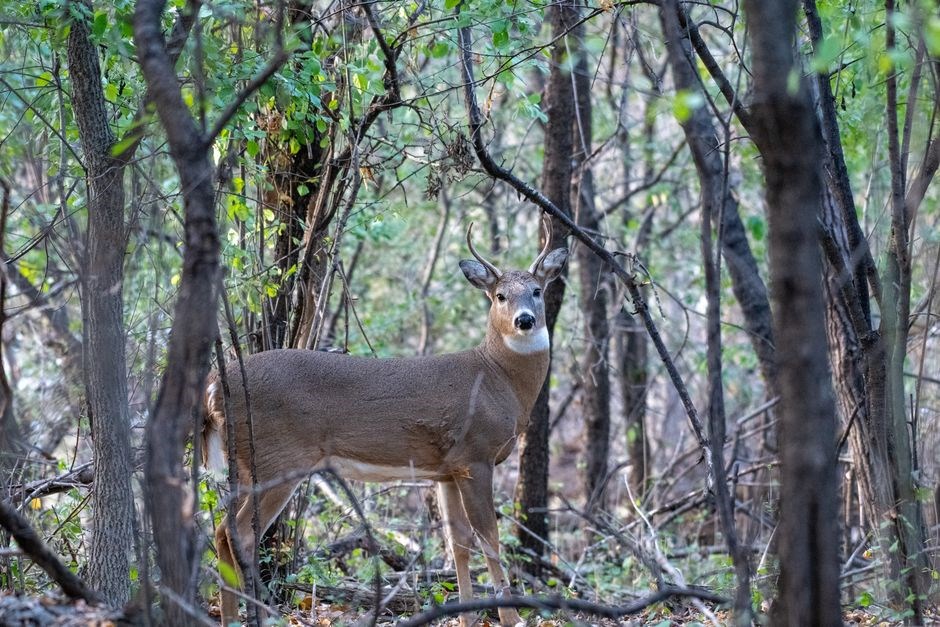
Idaho whitetail guides highlight three core counties that deliver the richest hunting opportunities: Nez Perce, Clearwater, and the Panhandle region. In Nez Perce County, the Clearwater National Forest’s dense spruce, fir, and aspen stands offer excellent cover and feeding grounds, while the Salmon River’s water sources attract deer during dry spells. Guides emphasize the county’s mix of old‑growth timber and open meadows, creating ideal bedding and rutting areas. Clearwater County, just east of Nez Perce, features the rugged Bitterroot Range and expansive forested ridges. Hunters here target high‑elevation timber belts where deer gather in the early morning and late evening to avoid heat and predators. The Panhandle, encompassing Boundary, Bonner, and Kootenai counties, offers alpine meadows, dense spruce forests, and river valleys. Guides in this area use trail systems that cut through remote terrain, allowing access to less disturbed deer pockets. Across all regions, guides stress understanding seasonal movement patterns, weather impacts, and subtle deer cues. They combine local knowledge with proven tracking techniques, helping hunters locate productive zones while respecting Idaho’s natural resources. Additionally, guides recommend scouting during dawn or dusk to observe deer patterns and advise scent control and camouflage to blend into the forest environment. They also train hunters on archery equipment use, including bow selection, arrow flight, and shot placement, ensuring ethical kills. Finally, guides provide insights into wildlife management plans, helping hunters stay compliant with seasonal restrictions and bag limits, thereby promoting sustainable hunting practices for future generations.
Choosing a Professional Guide
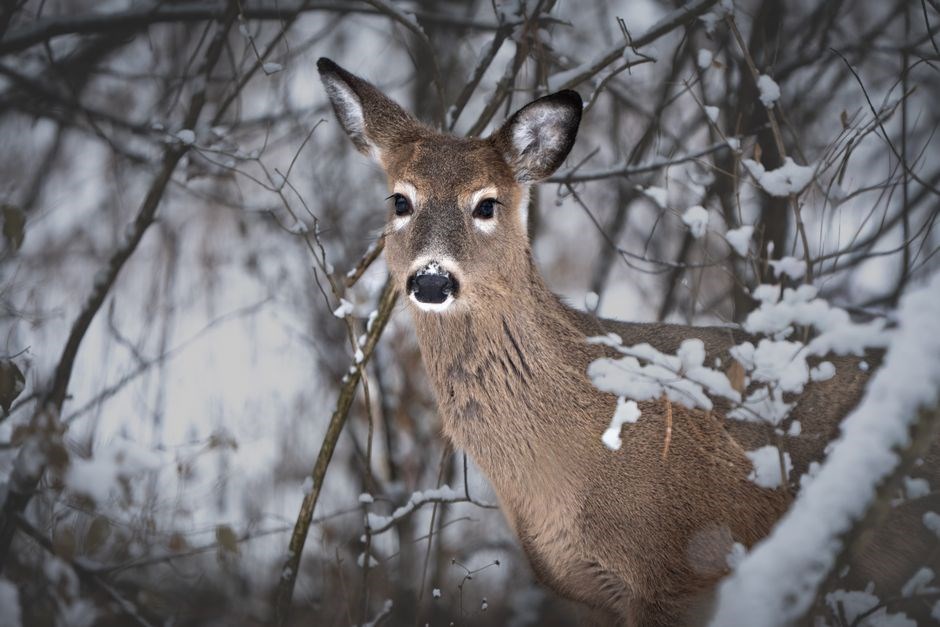
Idaho whitetail guides prioritize local expertise, proven tracking, and safety. Verify credentials, read reviews, and confirm insurance. Ask about gear, hunting style, and success rates. A reputable guide blends knowledge, ethics, and respect for wildlife.!!??
Criteria for Selecting a Guide
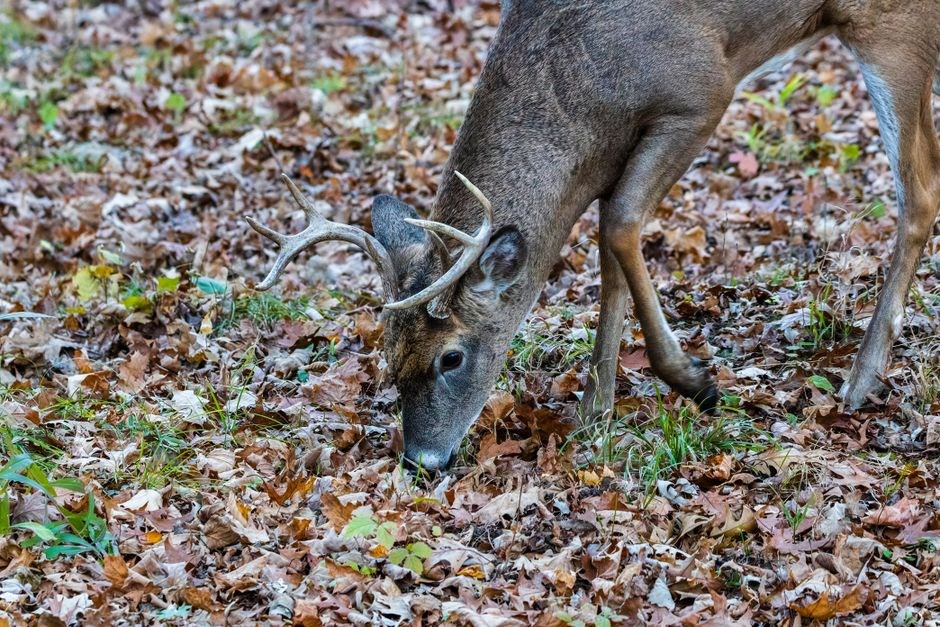
When choosing an Idaho whitetail guide, start with verified credentials—state licenses, hunting certifications, and proven track records in the specific forest. Experienced guides bring deep knowledge of local terrain, seasonal movement patterns, and the best timber pockets. Safety is paramount; ask for liability insurance, first‑aid training, and a clear emergency protocol. Gear quality matters—reliable rifles or bows, optics, and field‑ready clothing should be in top condition. A guide’s success rate is a useful metric; request recent harvest statistics and client testimonials. Communication style and responsiveness reflect professionalism—prompt replies to inquiries and clear expectations set the tone for the trip. Reputation in the hunting community can be gauged through online reviews, forums, and word‑of‑mouth referrals. Pricing should be transparent, with no hidden fees; compare packages that include permits, lodging, and meals. Finally, flexibility—whether the guide can accommodate specific hunting goals, travel dates, or group size—ensures a tailored experience. By evaluating these factors, you’ll pair with a guide who balances expertise, safety, and client satisfaction, maximizing your Idaho whitetail adventure!!!
A reputable guide prioritizes safety, pre‑hunt briefings and ensuring firearm handling. They emphasize ethical hunting—no‑take zones, non‑target species, following the “leave no trace” principle. Their commitment to conservation is evident in data sharing with wildlife agencies, shaping management. Partnering with such a guide offers hunters success appreciation for Idaho’s whitetail stewardship!!
Types of Hunting Gear and Equipment
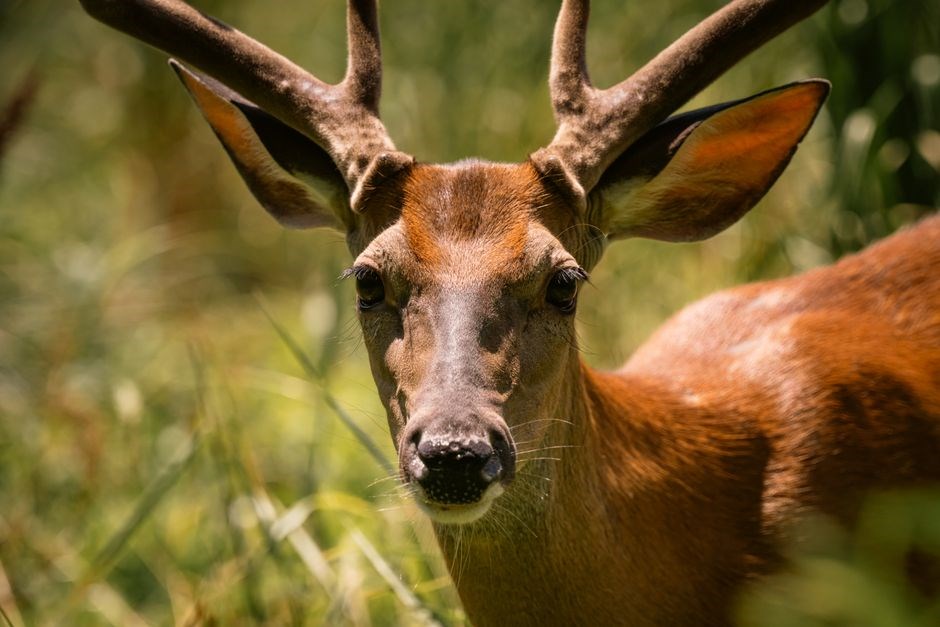
Idaho whitetail guides recommend lightweight rifles or bows, high‑magnification scopes, durable field‑tents, and moisture‑resistant clothing. Essential items include a first‑aid kit, GPS, flashlight, and a sturdy hunting knife. Proper gear ensures safety and success All gear is inspected before departure
Essential Gear for Archery and Rifle Hunts
Idaho Whitetail Guides emphasize a compact yet complete kit for both bow and rifle hunters. For archery, a recurve or compound bow with a 70‑lb draw weight, a sight, and 50‑70 arrows (spaced for 10‑12” shaft length) are essential. A sturdy quiver, a bow‑stringer, and a tuning kit allow on‑trail adjustments. For rifle, a 7‑shot bolt‑action or semi‑automatic with a 20‑inch barrel, a 1‑to‑3‑inch scope, and a reliable sling are must‑haves. A quick‑draw trigger and a 30‑round magazine (or 20‑round for 5‑shot rifles) provide flexibility. Both hunters need a durable field‑tent, a blaze orange vest, a multi‑use knife, a first‑aid kit, a headlamp, a GPS unit, and a water‑filter system. Proper footwear with good traction, layered clothing for temperature changes, and a rain jacket protect against Idaho’s unpredictable weather. Finally, a small, insulated cooler for fresh meat and a portable stove ensure a safe, sustainable hunt. All gear is inspected and maintained by the guide before each trip to guarantee reliability and safety. The guide’s expertise ensures optimal gear selection.
Hunters should carry a compact binocular set (8‑10×40) for spotting, a tarp for shelter, and a signal mirror for emergency communication. A dedicated hunting knife with a full‑length blade and a folding pocket knife provide versatility for field dressing and gear maintenance. A high‑capacity, waterproof backpack with MOLLE attachment points keeps gear organized and accessible. A small, rechargeable battery pack powers electronics, while a solar charger can extend battery life during long days. Finally, a detailed map of the hunting zone and a local knowledge guidebook help navigate unfamiliar terrain. These items, combined with the core gear, create a well‑equipped, efficient, and responsible hunting experience in Idaho’s diverse landscapes.
Wildlife Behavior and Seasonal Patterns
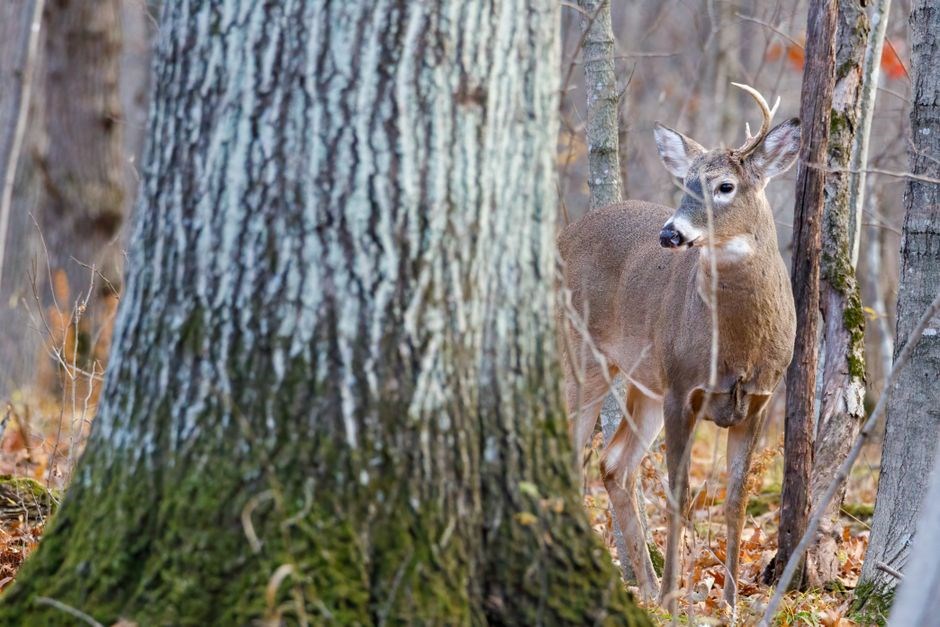
Idaho Whitetail Guides note that spring sees increased movement as bucks establish ranges, while summer brings cooler shade use. Fall drives bucks to feed heavily before rut, and winter forces deer into dense cover. Understanding these shifts boosts success. Guides suggest dawn patrols for spots.
Spring and Summer Movement Patterns
Idaho Whitetail Guides emphasize that spring is a critical period when bucks emerge from winter ranges, establishing new territories and seeking mates. During this time, deer are highly active, moving through dense understory and along ridgelines to locate food and potential mates. Guides recommend early morning and late afternoon patrols, as deer are most alert during cooler periods. In summer, the heat shifts deer behavior; bucks seek cooler, shaded areas such as riparian corridors and dense forest patches. They also increase their feeding on high‑energy browse to prepare for fall. Guides advise hunters to focus on moist, vegetated areas that provide both cover and food, and to use scent control to avoid detection. Understanding these seasonal shifts allows hunters to anticipate deer paths and increase the likelihood of a successful hunt.
Additionally, guides note that the transition from spring to summer often brings a change in rut timing, with bucks becoming more territorial. Hunters should be prepared for increased movement along established travel routes, especially near water sources and high‑bush areas. By studying local topography and using trail cameras, guides can predict deer patterns and adjust hunting strategies accordingly. This knowledge is essential for maximizing harvest while respecting wildlife management goals. Such insights enable hunters to plan efficient drives and reduce missed opportunities. Moreover, seasonal rainfall patterns influence forage quality, guiding hunters to target areas with abundant green growth.
Guides also recommend using natural scent masking techniques to blend with the environment, further increasing success rates.
Effective Hunting Strategies
Idaho Whitetail Guides stress using natural cover, early dawn drives, and scent control. Focus on ridge lines, water sources, and high‑bush areas where bucks travel. Employ stalking, patience, and precise shot placement to maximize success while respecting wildlife management. Use terrainandpatience.
Covering and Stalking Techniques
Idaho Whitetail Guides teach hunters to begin their day by mapping out the terrain, noting ridge lines, water sources, and high‑bush areas where bucks are likely to travel. The first step is to cover the area methodically, moving from one natural corridor to the next while keeping a low profile. Guides emphasize the importance of wind direction; moving with the wind keeps scent from drifting toward the buck. When a hunter spots a fresh bedding or a scent trail, the guide instructs them to follow it at a slow, deliberate pace, staying within the shadows of trees and brush. Stalking is not just about moving; it’s about blending. Hunters are taught to adopt a “dead‑eye” stance, standing still and letting the forest’s natural sounds mask their presence. Breath control is crucial—slow, steady exhalations reduce the chance of detection. The guides also recommend using scent‑masking sprays and wearing neutral‑colored gear that matches the forest floor. Timing is critical; the best moments are just before sunrise and after sunset when bucks are most active. By anticipating the buck’s return path and positioning themselves in a place where the animal will pass within range, hunters increase their chances of a clean shot. Throughout the hunt, the guide’s local knowledge of seasonal patterns and water sources is invaluable, ensuring that hunters stay on the right track and make the most of every opportunity. Guides advise staying alert to wind and animal calls.!!